Tuesday, July 30, 2019

my experience in INSEC (case stydy)


Case study
Mrs. Sangita  Sunuwar is a wife of Mr. Hira Prasad Sunuwar has got two daughters lives in lekhnath pokhara kaski . He was married to a woman before marrying her to whom he killed and was jailed for 21 days. Sangita was unknown about his past. She had an arranged marriage with him. Since eight years she was tolerating his behaviors. She was quiet because of family relatives and society. Her daughters who are just four and six years are also humiliated by him. His regular activities beating, sexually abusing, using vulgar words and dominating are usually same. Even he has molested his own children time and again. He always threatens to kill her.
 On June 7 evening Mr. Hira Prasad Sunuwar was drunk, he beat her and sexually abused in front of their children. She was full naked in front of her daughter and told her to get out of house. Discussing on family matter he threw knife on Mrs. Sangita Sunuwar, while blocking the knife, her finger got injured. Frightening and screaming she went to her neighbors but no one helped her. While her finger was bleeding he got scared and he ran away at his parent home (Baglung).  Mrs. Sangita works as a tailor so she is self dependent women and her husband was dependent upon her. He always asks money with her. Most of the time she used to borrowed money from her parents to feed her children and husband. If she refused to bring money from her parent’s home he continues to threaten to kill and rape her and their children.  On June 8th she along with her mother filed complaint in Dadakonakh police station.  Police station delayed the process.
 On 11th of June she along with her mother and some friends knocked the door of INSEC kaski, pokhara.  Program coordinator Mrs. Sabnam Sharma and District Representative Mr. Sushan Ghimire  along with FK fellows helped her for further process. Mrs. Sabnam Sharma helped her to file a complaint in district police office, same day they called Mr. Hira Prasad Sunuwar. He was informed to have his presence in the police station as soon as possible. He talked softly with police officers and became ready to report in police station with his family.  On June 14 he present on district police office, asked for forgiveness with her and her parents.  Before 4 month she had complaint in village development committee for the same reasons. Both of them signed a compromise paper but the incident happened again. So, she decided not to forgive him again. And finally she has decided to claim a protest.

note:  Name of victim and is changed

Tuesday, July 16, 2019

Public hearing program organized by INSEC


                                   On July 5, 2019 INSEC organized a public hearing program will all the local people, media, state and non state organizations. The program was mainly focused to inform local people about their fundamental rights of food, health and education also to make answerable to the   responsible governmental guild organizations at Myagde Municipality in Tanahu.
Mr. shiva khakurel the provincial coordinator welcomed all the guest, local people, state and non state guild organization and media by delivering a speech and reason of having public hearing program. The people from myagde rural municipality not to deprived from the rights on Education, Health and food also to make answerable to the responsible guild organization on their unsatisfactory.

Mr. Bal Krishna main officer of Rural Municipality present a presentation about the implementation of work that has done and the work plan for 2076/2077. According to his presentation, rural municipality has been working in different sectors like community development work, several trainings for empowering men and women like tailor, animal husbandry, farming etc. He shared several progress reports on education. Different health facility has been provided in village. Even there are different health posts on each VDC’s, technical facility like computer and internet are also provided in Health Post. Rural municipality Organized different health camps collaborating with Gandaki Medical hospital, Pokhara. Economical and Agricultural development progress report was shown. Alike, most of the people are engaged in farming, Animal husbandry and agricultural they have been trained and working on it. Same hoe tourism also under the economical development. He discussed about the upcoming work plan for 2076/77. Health plan, Agriculture and Animal husbandry Plan and agriculture tourism are the major subjects to be amplified and developed.

District coordination committee Mr. Santi Raman wagle marked the Act of constitution 21, 35 and 36 that government guaranteed to provide the rights of Education, Health and Food. Also appreciated the program organized by INSEC.  
Likewise, the president of VDC Mr. Bir Bhadur Nepali delivered as Myagde village most of the people are engaged in Agriculture so the system should be more technical and developed. Also the villagers are depended upon potato farming rather than focusing on only one item people should irrigate mustard oil, orange, guava irrigation etc. He praised to reduce the price of groceries, school fees and crime.
Likewise village Development Committee (VDC), wards no. 11 Secretary asked to have a clean drinking water. Mr. Birendra Prasad wagle also talk about the same topics that Mr. Bir bahadur nepali except that he asked to have property right in Constitution.
People vigilance committee main president Mr. Ram Saran Mahat asked for doing public awareness program and more training from government. Mr. Omkar president of Nepal patra argued on Education sector that it is free. But the fees of the schools are so high. Ward no. 7 Shri Prasad Wagley was also focused on school facility that some children go to study without having lunch, so they need to be served snacks in school.

 Mr. Shri Prasad Ghimire informed about the vegetables are irrigating using pesticides and insecticides which is the poison in our life so he request all the people and the guild organization to have a public awareness program  about it and the also to the farmers to irrigate organic vegetables which is healthy and tasty.
The president of Rural Municipality Ms. Maya Rana appreciated and thank to INSEC to have such program in rural municipality. She is the women president in rural municipality. She confides to work on Drinking Water and request all the local people to motivate and encourage government laws so that they can do much better.
Finally the chief guest of the program Mr. Kedar sigdel the Member of Parliament federation shared his experience on upbringings. Government is working with more projects on Education health and food.
At last, the president of People Vigilance group Mr. Bhim Bahadur BK ended the program by his closing speech. He asked support from state and non-state organizations for bringing new projects. Also shared the fundamental rights of people about having rights on education, health and food can’t avoid by government.


Tuesday, July 2, 2019

Nepal Youth Council (NYC) take the initiative way to mobilize youths from local level


Gandaki provincial youth conference
                         
On June 28, the president of provincial youth council Ms. Monika Ranabhat along with her team Nepal Youth Council (NYC) organized a program Youth Conference in Santinagar Banquet collaborating with many governmental and non-governmental organizations. In the beginning, the program was started by the congratulations speech from different people from different organization where the main chief guest was Chief Minister Mr. Prithvi subba Gurung also congratulate them for having such grand program and deliver his speech on Youth participation on development and recommend youth as a pillar of country.
Well in the program there were around 300 participants belongs to the 11 districts of Gandaki Province. Main objectives of the Program was for Making the Nepalese youth strong, competent, competitive and self-reliant, to build a modern, just and affluent Nepal through their meaningful participation and promotion of their leadership capacity.


There was a different topic of discussion like Sustainable development goals, Tourism (visit Nepal 2020), Information and technology, Climate Change, Youth and Politics and Youth entrepreneurship in Nepal. And the mission of all these discussion with youth is for:
·         Youth Participation, Collaboration and Leadership Development
·         Life-skill Education, Employment, Health and Security,
·         Access, Equality, Social justice and Capacity Building of Youth
·         Competent Human Resource, Peaceful and Prosperous Nation
Somehow the discussion might help youths to feel their responsibility towards country on different sector. The program was organized in provincial level to enhance the power of youth and demonstrate on the objectives of program;
·         To Develop and expand the role of the youth and their prospects in nation building and national development,
·         To highlight the competence inherent in the youth class by establishing them as the basic power of the nation through the development of creativity, entrepreneurship and investigative competence in them,
·         To prepare competent youth who are of ethical, cultural, creative and professional nature through proper development of their physical, mental, intellectual, ethical and emotional sides by developing the culture of respecting labor,
·         To guarantee the basic rights of the youth and ensure their access to productive resources, to involve them at all levels of policy and decision-making and implementation relating to political, economic, social and cultural sectors and to establish the youth as the agents of national development by promoting their leadership capacity through gender equality,
·         To bring the youths belonging to the priority and the special priority groups in the main stream of development by empowering them through the means of positive discrimination.

Discussion on different topics on different objectives and mission to the youth. Hope it works sucessfully.

Tuesday, June 11, 2019

Proposed act of media council for press freedom, against hostile provision


               The interaction program was at the Federation of Journalists in Kaski, Pokhara. They said their struggle to fight against the government’s plan to control the media but they will continue to fight until the Media Council Bill is withdrawn from Parliament.
As part of their continuing struggle, the Kaski district media council organized an interaction program on 21st of jestha with stakeholders and experts, including editors of major mainstream publications.
The Media Council Bill, which aims to replace the existing press council Act and was registered in parliament, will have greater authority to issue hefty fines and give the government more say in the hiring and firing of the council members.
The proposed bill aims to give sweeping powers to the self-regulatory body overseeing the press, and information rights activists and journalists have been saying that the new council could increase direct attacks on the press.
                                     
In the program most of the people were against the bill which is aiming to give the council authority to issue monetary punishment ranging from Rs 25,000 to one million rupees. The provisions in the proposed Media Council Bill will also give the council greater power to write to the concerned authority to take action against media organizations if they violate press ethics as defined by the government.
Some of the journalists like the idea of the integration of the media group. They shared how media persons should be calm and have to follow the code of conduct. Therefore the Press Council could ask for clarification, apologize, and blacklist certain press organizations. 

                                                                                                               by: Anu Baskota (FK Fellow)

Monday, June 10, 2019

Engaging the youth in politics


                                                                                                       The Youth Parliament practice workshop was designed to run 4 days (jestha 21 to 24) at the District Coordination Committee in Pokhara, Kaski. The program was organized by Nepal government collaborating with youth and sports ministry and national youth council and managed by district youth committee.
It was a really new experience for me to participate in such a program.  The experience of preparing for and running a designed Youth Parliament is a good opportunity to practice management skills and to learn about the past and current situation of country. It will them to think a future plan or sustainable goals . It was all designed to be similar to the actual running of Parliament. The participants were given 2 months to learn the acts, constitutional law, power and rights, knowledge about parliamentary committees, current situation of the country, governments work, incidents happening in the country, legal and illegal works, etc. The federal parliament of Nepal is the federal and supreme legislative body of Nepal. It is a bicameral federal legislature that consists of the National Assembly as upper house and the House of Representatives, as lower house. 


There were all together 32 participants, ten of them were selected through an online test published by national youth council and the other twenty-two were from eleven districts means two person were selected from each district. There were five mentors from the national youth council to monitor them. They were all organized inside hall like as parliament house. They made up all the categories inside a regular parliament house in Nepal. The leadership committee included the president, vice president, chairman of the national Assembly, deputy Chairman of the National Assembly, Speaker of the House of Representatives and Deputy Speaker.  
The first relates to the concern that few young people know about: the Commonwealth. The three core principles that bind our Commonwealth nations together are: 
• Global Consensus Building
 • Support for Sustainable Development
 • Support for Democracy and Growth and Sustenance of Democratic Institutions
The Youth Parliament was designed to educate participants about the Commonwealth and to demonstrate how Parliaments are able to: 
 • Make legislation
 • Debate matters of national and international concern
 • Demand accountability from those in government
 • Discuss legislation in committee
• Change government without recourse to civil disorder
 • Make and enforce their own rules of conduct
The goals of the designed youth parliament are to visualize sustainability of youth future and enhance them to acknowledge the parliamentary system. Some of the points are as follows:
·         To hear the voice of youth between 18 and less than 25 years of age, who are allowed to vote but cannot stand as a candidate for election, through deliberations in Youth Parliaments at district level and above.
·         To encourage the youth to engage with public issues, understand the common man's point of view, form their opinions and express it in an articulate manner.
·         To develop and enhance decision making abilities.
·         To develop  a respect and tolerance for the views of others.
·         To develop an understanding that respect for rules is essential for conducting any discussion systematically and effectively.
·         To obtain and document their opinions and visions of New Nepal.
·         To share their views to policy makers to take forward.
Overall this program was implemented to encourage young people to take an interest in citizenship activities, specifically parliament, and improve young people's opportunities to be heard and make a difference.
                                                                                                                       by : Anu Baskota (FK fellow 2019)


Wednesday, April 10, 2019

changes on marginalized and deprived community (Anei Musahar Basti) by PVCHR


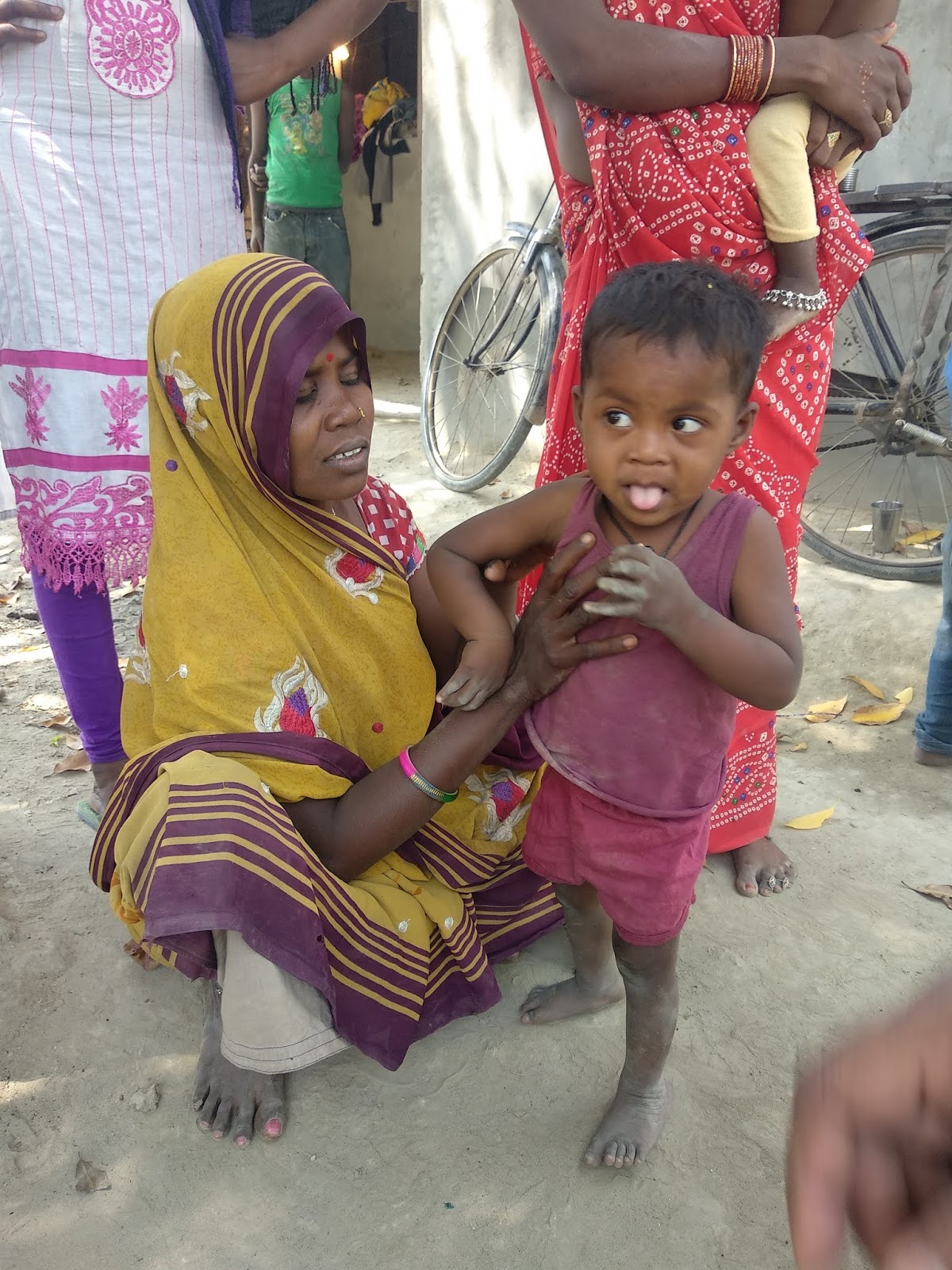
  Around 35 kilometer away from PVCHR Office, enjoying with sunny day I went to Anei Musahar ghetto of Badagaon Block level which is most marginalized and deprived community. There are altogether 50 families in the ghetto living below the poverty line. People from the community have just started practicing maintaining their livelihood. As I got to know the major problem of ghetto was the people did not have their ration card and some have yellow cards with which they cannot get any ration for subsidized price. The families were living in a hut since the Musahars were not allowed to own     their land. In 2007 there was a case of one child called jigar who is two years old and he was ill. He was taken to the primary health centre (PHC) of badagaon block. Jigar was given some medicine at the PHC, which resulted in swelling all over his body. Then they arrived to Pandit Din Dayal hospital for further check up. He was diagnosed with malnutrition and tuberculosis. Then PVCHR help him and his family to get hospital and to get well treatment. Since then PVCHR begins their work on Advocacy in Musahar ghetto. Jigar news was highlighted through TV, newspapers also mayabati was the chief minister at that time and she concerned the problems and the community. Chief Secretary, district chief, central district officer and Magistrate officer visited jigar, his family and the ghetto. We met him and asked about his study he confides due to poverty he couldn’t continue his study. After completing five classes he went to work in brick factory with his brother. It is totally injustice.
                                  
After that, musahars had a big change that people got their own land. Officers helped women to form a women group. Somehow they got relief from the problem of no touch, as well as they started to got facility of ANM, aasha and governmental scheme.  Now as PVCHR is working for maternal health care, child care and Adolescence with the support of CRY since 2 years. There were 49 children from 0-5, 7 women were pregnant, 20 adolescence girl and 7 children were suffering from critical malnutrition. So we went to analyze the impact of PVCHR work in ghetto.

First of all I found children roaming around and we asked them about their school (ICDS) it was off since 5 days. There is no any fixed location of school ICDS runs under the tree. I saw some child who were suffered from malnutrition (weight loss, abnormality, weakness) either critical or partial and some child are suffering now also.
 Anjita is 2 years old girl she is 7th baby of her parents suffering from malnutrition. It was on critical position counseling with doctors though her parents could not take care she is having good care from elder sisters. Aasha and ANM regularly visit her and train them to take care of child.
Mata Prasad was also infected by critical malnutrition. PVCHR helps his parents by giving money as well as counseling with doctors. He was admitted to BHU hospital for 14 days in NRC. He was taken care by doctors and nurses. Now he looks fit and fine.

Sanjit is 2 years and eight month boy son of guddi and Sabaji. He is abnormal. He doesn’t have birth certificate due to which his deprived from governmental scheme. After getting health card he can get 500000 insurance so the work is in the process by PVCHR.

Chandrakala is 5 years old girl who was suffered from critical malnutrition. She is recovering now. Having lots of children in her family she always had a less attention in her family but awareness by institution her sisters are caring her so that she seems recovered and happy child.
Santoshi is 8 months old daughter of Resma and ganga ram. She is 6th child in her family after 3 daughters and 2 sons. Reshma informed " I had institutional delivery but I was unknown about her  weight and I feed her milk after 3 hours of  my delivery. Aasha and health centre staff didn’t informed me to feed thicken milk which is very important for my child and should feed it fast as much as possible. Beside this my child is having vaccination and immunization in time". But looking at her I felt she is having a lack of nutrition. She cries every time and showed behavior of irritability. Also ICDS provides reshma same kind of Dalia (the uncooked cereal) as she is should get another one. According to governmental scheme, there are three types of Dalia for mother and baby but she is getting same dalia for herself and baby. As shown dalia, I thought every mother and baby got the same one.  Also they used to collect dalia and just keep it for long time and got expire. Sanoshi have meal from her parent’s plate due to which they can’t analysis how much she eat. She looks so weak.
 
                                                        
There were some children like kajal, aakash and sunny dev. Kajal is a daughter of Reema and aakash is a son of Susmita, both are one year old. They both have only breast feeding for completely six months. Reema had a full support of her husband but in-laws were against her, forced her to work rather than taking care of child.  She leaves home for kajal. Kajal was looking energetic and happy. She confront happily, PVCHR helps her to learn about breast feeding and child care. Likewise sunny dev is 4 months old child son of sony. He is only having mother’s milk.  Sony had a home delivery because in her first delivery she faced a problem of Untouchability in PHC. She regarding her family was so conscious about her health so after having a baby she cut umbilical cord by blade. Blade was boiled in hot water then it was used to cut. Then she gave her baby kangaroo therapy which is very necessary for baby’s health. She also feed thicken milk with in an hour. After all, Breast feeding is recommended, especially since Mothers milk is sterile and rich in antibodies. Aasha came after three days of baby birth she gave vaccination, check weight, ask sony to give baby sun bath because the child might suffer from common cold. But also home delivery is not appropriate for mother and baby health. They must be informed about the importance of institutional delivery and also should take action against the behavior of staffs on PHC. 
There were women who were pregnant, having support by the family. Families are so concern about their pregnancy that they took them hospitals for several check up. Estrangement between in laws but also they are taking care of their daughter in law have condition. Bimala is mother in law of pooja who is 4 months of pregnant. Bimala shared "I dont like my daughhter behaviour that doesn’t have her meals. Due to which she doesn’t feel well. I never got such opportunities and facilities to go the hospitals or food but I wants to fulfill my  daughter in law all the facilities that I can look after. So I found she is worried for her daughter in law. Sunita was also eight months pregnant. Her mother in law Durgadevi was so worried that sunita is living with her husband in brick factory. They request her to stay at home but she refuse and went with her husband. She is also taking care of herself and only cooks food for her husband.
Kitchen gardening was also great concept for people from musahar ghetto because those people whose economic status is very poor and thinking that hopefully through kitchen gardening they can have Nutrition vegetables and their money also will be saved. However, they were encouraged to utilize the vacant place nearby their house. When the vegetables produced some of the quantity of vegetables they sold to the market and also shared to the neighbors. 
Finally, we had good reviews of PVCHR and its works like kitchen gardening, working for mother children and adolescence as well the work is done by KAP (knowledge attitude and practice). There are several cases of malnutrition where PVCHR is working for them.  However, There are los of challenges to change and PVCHR is continuously working to raise their standards.


Wednesday, March 13, 2019

kewat community and their Displacement struggle concluded with good news.


Almost completing two and half hour travelling on train us along with sabana Mam arrived on 7:30PM in the evening at Ambedkarnagar (Akbarpur). Mr. Manoj singh is the social activist who is looking after the community work. He came to receive then by walking by walking we went to the Hotel. Akbarpur city is quite smaller than Banaras. We went there then planned for next day schedule. Next day early in the morning we went to kewat community of chintaura village, Tanda Block, Ambedkar Nagar district of Uttar Pradesh.

     Kewat community living in the Shore of Ghagra River since 1975 had the seventy six families of the manjhi (Fisherman Community) were settled by the immediate Sub- Divisional Magistrate Baba Hardev which is 20 kilo meter away from the district headquarter. Before, they were living in the bank of majha and they lost their houses, crops and vegetables in the field and other essential belongings every year due to flood. Then they have to migrate to different places during rainy season. So, Baba Hardev settled them in the bank of Ghagra River but they did not find the legal paper and documents of the land. After few years some families left and settle down to different places.

      Not having allotment of land, the people of chintaura can’t settle to make their pucca or mud hut. They were living in the thatched roof. Because of this they had to wake up whole night in rainy season. They should get scared of storm or thunder storm. Going deeply about their problem the people informed that they were deprived from all governmental schemes such as Antodaya anna Yojana card, work under MGREGA, and hospital and education etc. These survivors facing apathy from Government Institution and were lonely and isolated, completely hopeless and demoralized. They felt their inherent dignity as human being has been destroyed. 
PVCHR provided multi-layers and multi-dimensional direct support and effective access to essential services for the healing, empowering and justice to the survivors of Chintaura. In 2010 this village was selected for creating torture free model village support of Rehabilitation and Research Center for torture Victim now known as DIGNITY: Danish Institute against Torture. PVCHR worked with traumatized victims of torture represent a pragmatic means to use victims’ narratives to build rights based consciousness and resistance. On the basis of testimonies, urgent appeal was issued and later was sent to various concerned authorities. The matter was intervened with the various concerned authorities. The commission takes a serious view and directs its registry to issue summons to the concerned authority. 
      Finally In 2015 they received allotment and procession of land for housing (0.009 hectare) in 3 kilometer away from the village to 23 families. Now aanganwadi (ICDS) and ANM are coming in the village for providing health facilities to the pregnant mothers and children. The people are having food grains from government shop and unique identity card i.e Aadhar card on the address of chintaura settlement.
There are 12 more families who haven’t got land. Now, the PVCHR is going to advocate for providing land to remaining families and livelihood opportunities to the kewat families.
     There is documentary video of kewat community in YouTube so fo that you can type annu baskota and see my video.